This Modified Honda NSX Is Turning Heads on Instagram
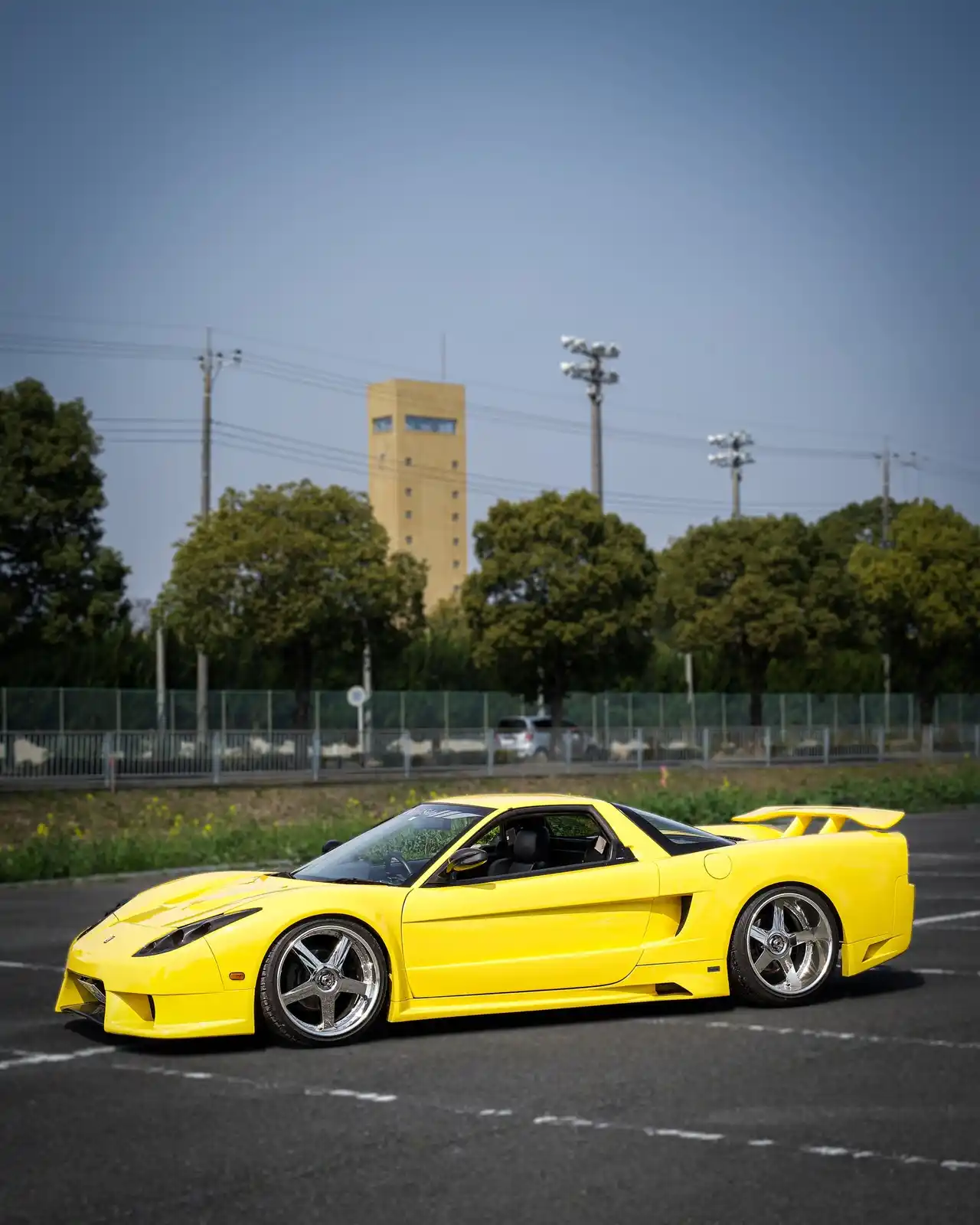
A privately owned first-generation Honda NSX just resurfaced online with a freshly rebuilt engine, adjustable coilovers, and a subtle exterior refresh that has JDM enthusiasts talking this week.
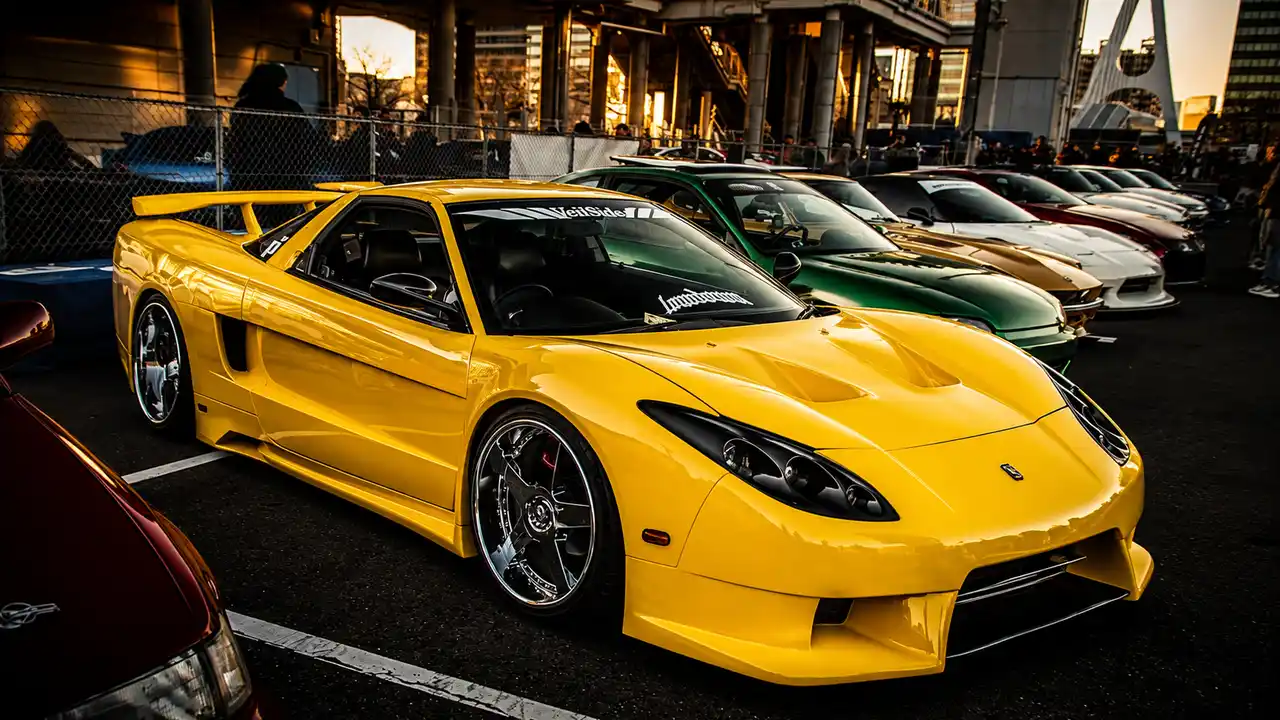

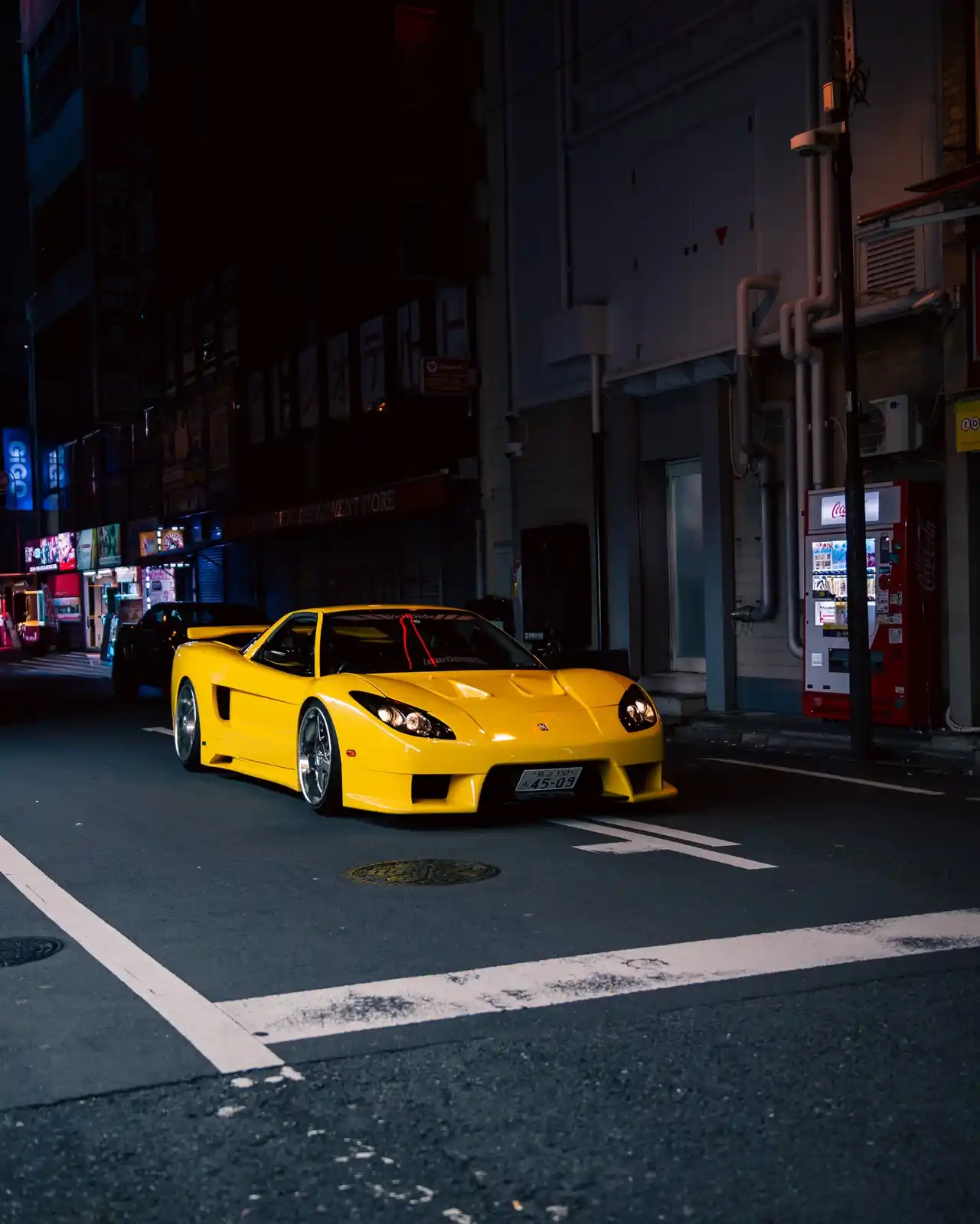
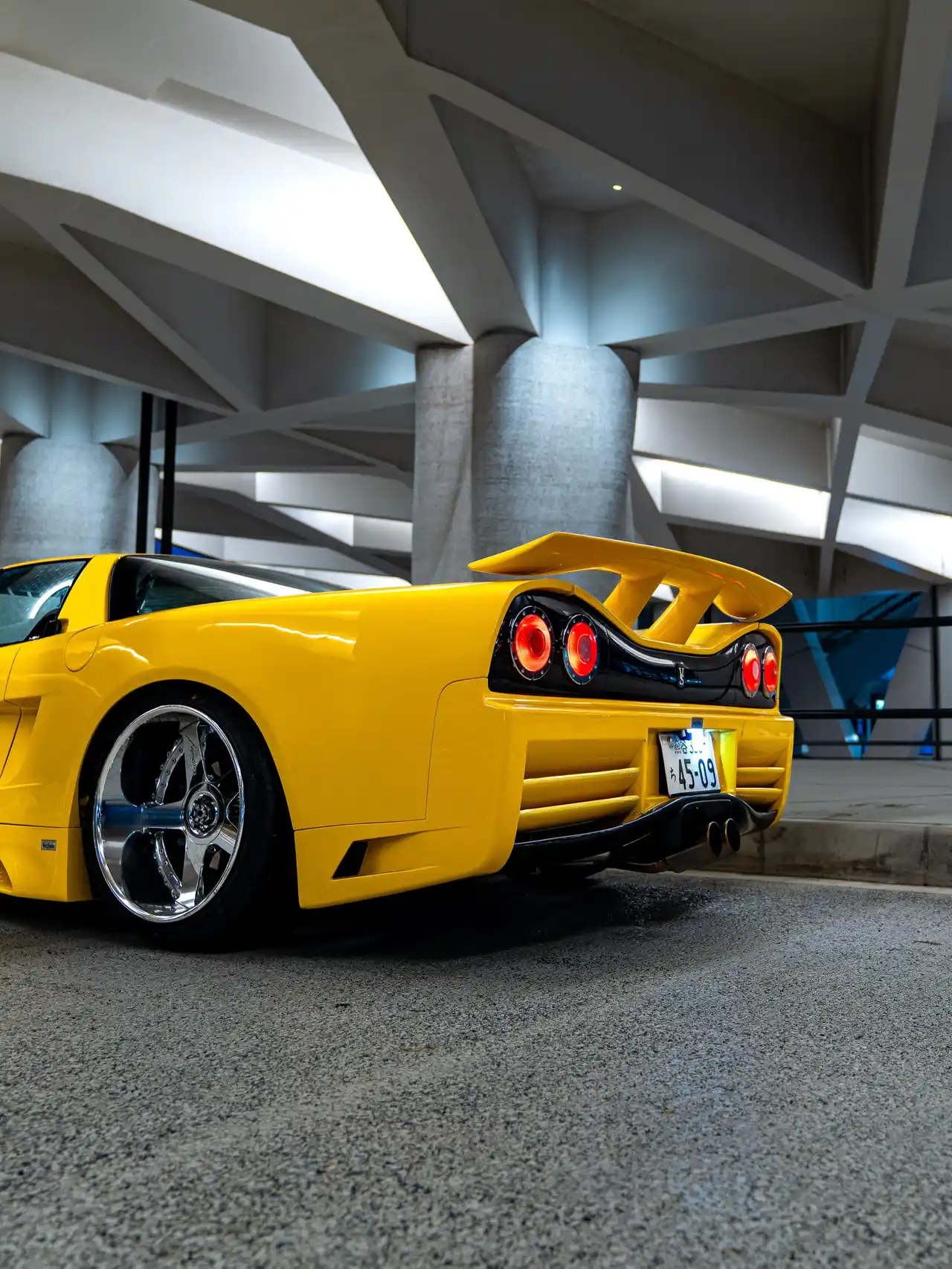
Some cars don’t need a loud exhaust or an oversized wing to grab attention. This Honda NSX build is one of them.
It surfaced on an Instagram account dedicated to restored Japanese classics. Within days, it was making the rounds among people who know exactly what they’re looking at.
There’s no aggressive body kit here. No wild paint job, no over-the-top styling. Every part that got touched had a reason behind it.
A Supercar Built for Everyday Driving
The NSX launched for the 1991 model year with a mission that felt almost radical at the time. Honda wanted to build a supercar you could actually live with day to day.
It was the first production sports car with an all-aluminum monocoque body, a genuine engineering milestone for its era.
Ayrton Senna reportedly gave feedback on the suspension tuning during development. That story has stuck with the car ever since, and it’s part of why the NSX carries so much weight among enthusiasts.
A second-generation NSX arrived in 2016 with a turbocharged hybrid V6 powertrain replacing the naturally aspirated original. Impressive on paper, sure. But it’s this first-gen car, raw and purely mechanical, that keeps pulling collectors back in.
Engine and Performance Upgrades
Under the hood, the 3.0-liter V6 went through a full rebuild. Refreshed internals sharpen throttle response without sacrificing the reliability the NSX has always been known for.
Output lands around 285 horsepower, a modest bump from stock but noticeably livelier off the line.
The five-speed manual transmission stayed untouched. Swapping it for something newer would’ve meant losing what makes an NSX feel like an NSX.
Suspension and Wheels
Adjustable coilovers replaced the factory setup, dropping the ride height and tightening body control through corners.
Wider wheels fill out the fenders and give the car a noticeably more aggressive stance without changing its proportions.
Exterior Finish
The paint got detail work in the factory shade rather than a wrap or graphics package. That decision alone says a lot about the build’s philosophy.
Keeping the original color also protects long-term collector value, something a lot of modified builds ignore.
Interior Refresh
The seats were reupholstered in leather while keeping their original early-90s shape, just with cleaner stitching and fresher padding.
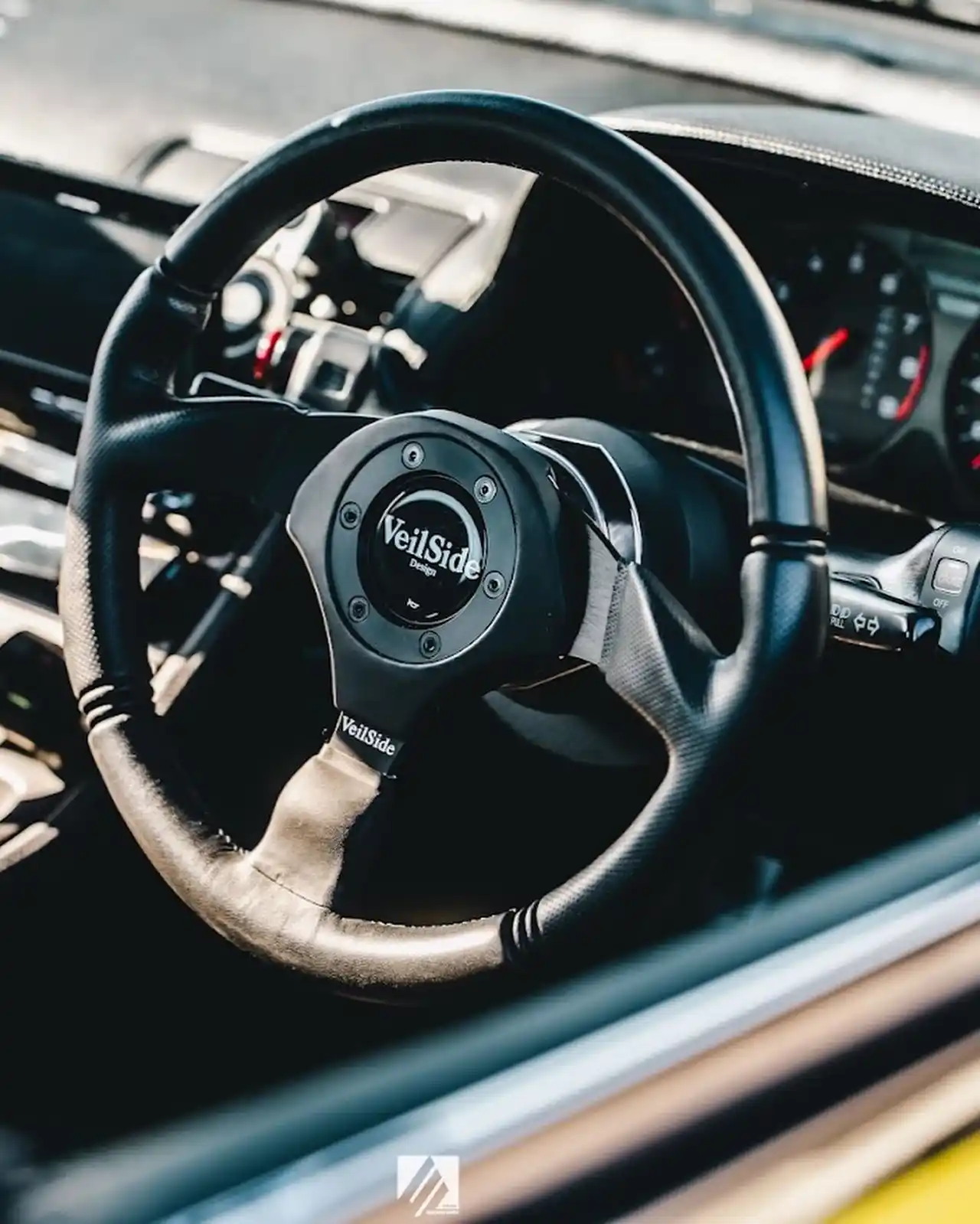
The steering wheel got a new wrap, and the dashboard stayed true to the era it came from.
How It Stacks Up Against the Competition
Back in period, the NSX went head-to-head with cars like the Ferrari 348, the Porsche 911 (964), the Chevrolet Corvette C4, and the Toyota Supra Mk4.
Four completely different philosophies on what a sports car should be, and the NSX carved out its own lane by prioritizing usability.
Strengths and Weaknesses
On the plus side, the NSX offers a reliable, easy-to-maintain powertrain that was rare for a supercar of its generation. Handling is balanced and precise even decades later, and clean examples have been climbing steadily in value.
On the downside, factory parts have gotten pricier and harder to track down. The interior shows its age in small details, and horsepower figures feel modest next to European rivals in the same price bracket today.
Final Verdict
Builds like this one explain why the original NSX still resonates with people. It was never about chasing bigger numbers.
It was about nailing the fundamentals, and more than three decades later, that approach still holds up.

Frequently Asked Questions
Is the Honda NSX expensive to maintain?
Less than most supercars from its era, though factory parts have gotten pricier as the model has aged.
How much horsepower does a stock NSX have?
The original NA1 came from the factory with roughly 270 horsepower, depending on market and trim.
Is the NSX practical for daily driving?
Yes, that was the whole point of the car. It was designed to deliver supercar performance with everyday usability.
What’s the difference between the NSX NA1 and NA2?
The NA2, introduced for the 1997 model year, brought a larger displacement engine, fixed headlights, and revised suspension tuning.
Does the Honda NSX hold its value?
Well-preserved examples have shown consistent appreciation in the classic Japanese car market over the past decade.
Did Ayrton Senna really help develop the NSX?
Reportedly, yes. He tested prototypes and pushed Honda to improve chassis rigidity during development.
Is a modified NSX worth buying?
It depends entirely on build quality. A well-executed build like this one preserves, and often boosts, the car’s long-term value.

Danniel Bittencourt
Danniel Bittencourt é especialista e entusiasta do setor automotivo, com atuação focada em análise de veículos, lançamentos e tendências do mercado global. É fundador do site e responsável por diversos canais no YouTube voltados ao universo dos carros.