The Nissan Z Is Proof That Heritage Still Sells Horsepower
The Nissan Z brings decades of sports car heritage into a rear-wheel-drive coupe built around a twin-turbo V6, wrapped in styling that nods to the past without feeling stuck there.
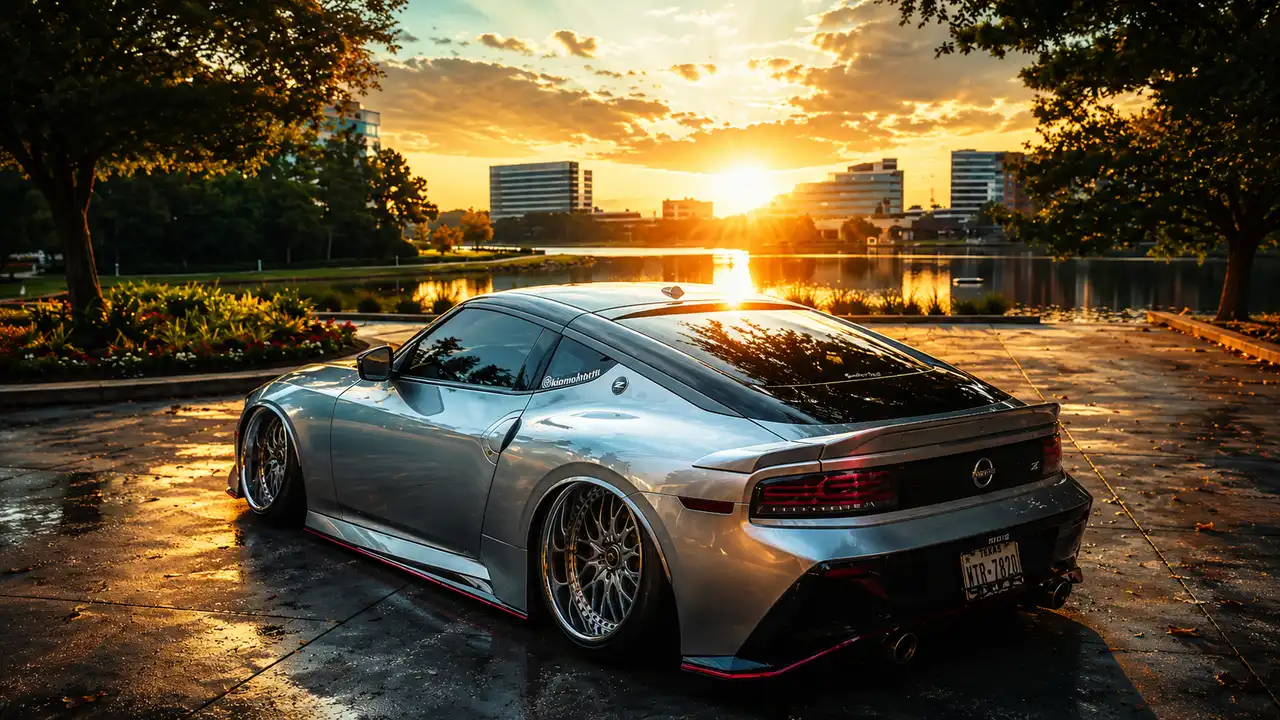

Nissan Z: The Sports Car That Bridges Old-School Heritage and Modern Turbo Power
Quick Specs
- Engine: 3.0L twin-turbo V6 (VR30DDTT)
- Horsepower: 400 hp @ 6,400 rpm
- Torque: 350 lb-ft from 1,600 to 5,200 rpm
- Transmission: 6-speed manual or 9-speed automatic
- Drivetrain: Rear-wheel drive (RWD)
- 0-60 mph: roughly 4.5 seconds
- Brakes: Ventilated discs on all four corners, larger calipers on Performance trim
- Curb weight: around 3,500 lbs
A Name That Carries Real Weight
Not many nameplates come with the kind of backstory the Z badge does. It goes back to 1969, when the original 240Z put Nissan on the map as a company that could build an affordable sports car Americans actually wanted to drive.
From there came the 280ZX, the 300ZX Twin Turbo, and eventually the 370Z, which stuck around way too long without a real update.
The current Z fixes that. It’s built on a chassis borrowed from the 370Z, but everything else — the engine, the suspension tuning, the styling — got a serious rework, blending cues from the original 240Z with the 300ZX from the ’90s.
Under the Hood: Borrowed Muscle From Infiniti
The Z’s biggest selling point is its engine. That twin-turbo V6, badged VR30DDTT, is the same unit found in the Infiniti Q50 and Q60 Red Sport, and it solves the 370Z’s biggest weakness: not enough power for the car’s weight.
Throttle response feels immediate, since peak torque shows up as low as 1,600 rpm. That makes the Z fun whether you’re carving a canyon road or just merging onto the highway.
Cabin: Retro Touches Without Overdoing It
Three analog gauges sit on top of the dash, a direct nod to the original 240Z. The steering wheel is thicker than before, the sport seats hold you in place through corners, and the infotainment system finally feels current.
That said, some of the lower dash plastics still give away the car’s older platform underneath.
Exterior: Classic Proportions, Modern Details
Long hood, low roofline, short rear deck — that’s the classic Japanese sports car formula, and the Z sticks to it. The headlights echo the 240Z, while the taillights pull from the 300ZX. It’s a design that talks to the past without directly copying anything.
Direct Competitors
The Nissan Z goes head-to-head with the Toyota GR Supra, which feels more polished but runs a BMW-sourced engine, and the Ford Mustang GT, which is bigger and brawnier. The Chevrolet Camaro SS was also a direct rival before production ended, and enthusiasts still bring it up constantly in comparisons.
3 Standout Strengths
- A twin-turbo V6 that delivers far more torque than the old 370Z ever could
- A manual transmission option, increasingly rare in this segment
- Styling that honors the Z lineage without looking dated
3 Drawbacks to Know
- The platform’s age limits how modern the chassis actually feels
- Trunk space is tight for daily use
- The infotainment system still trails top rivals in smoothness
Why It’s a Favorite in the Modified Car Scene
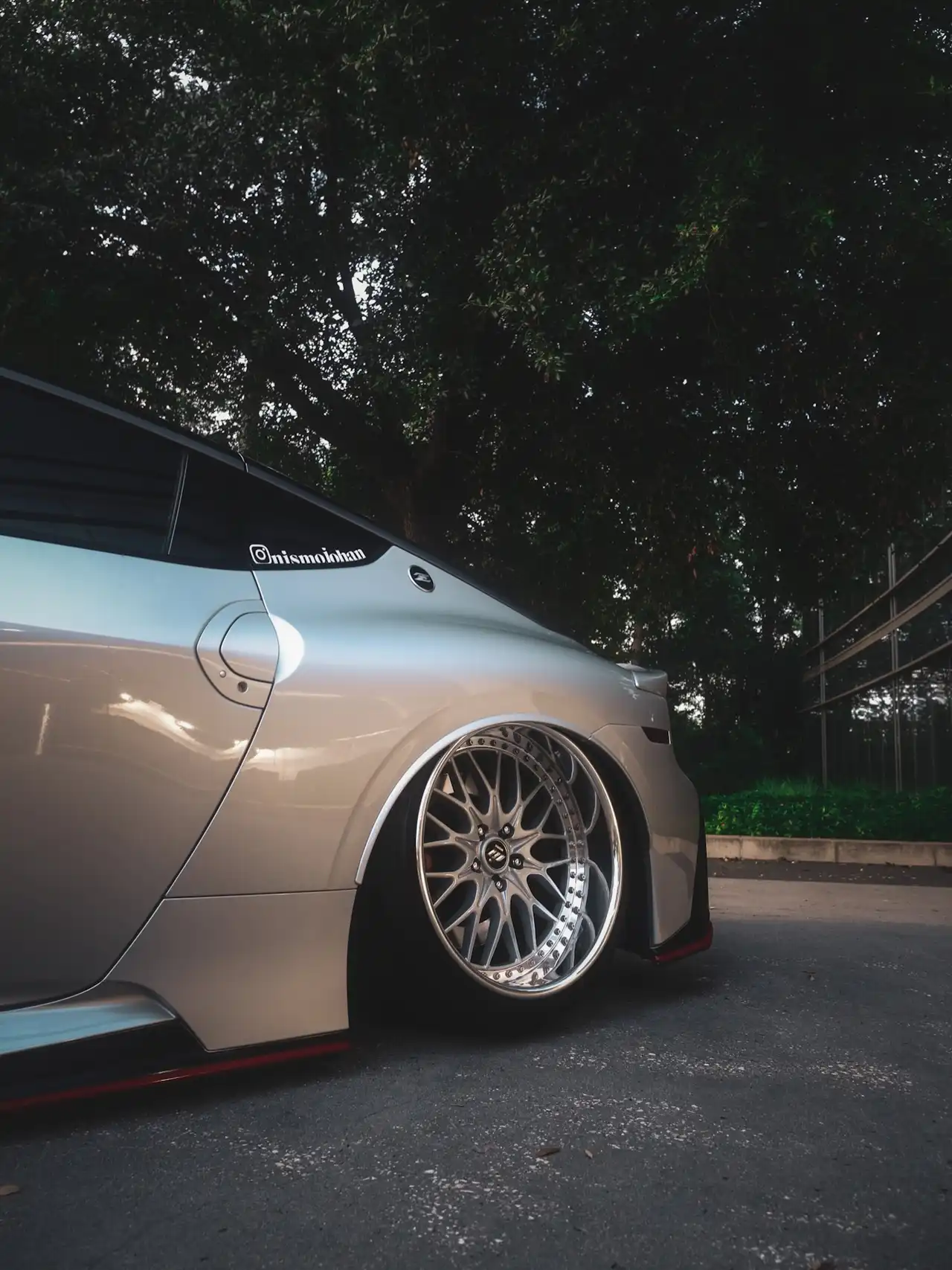
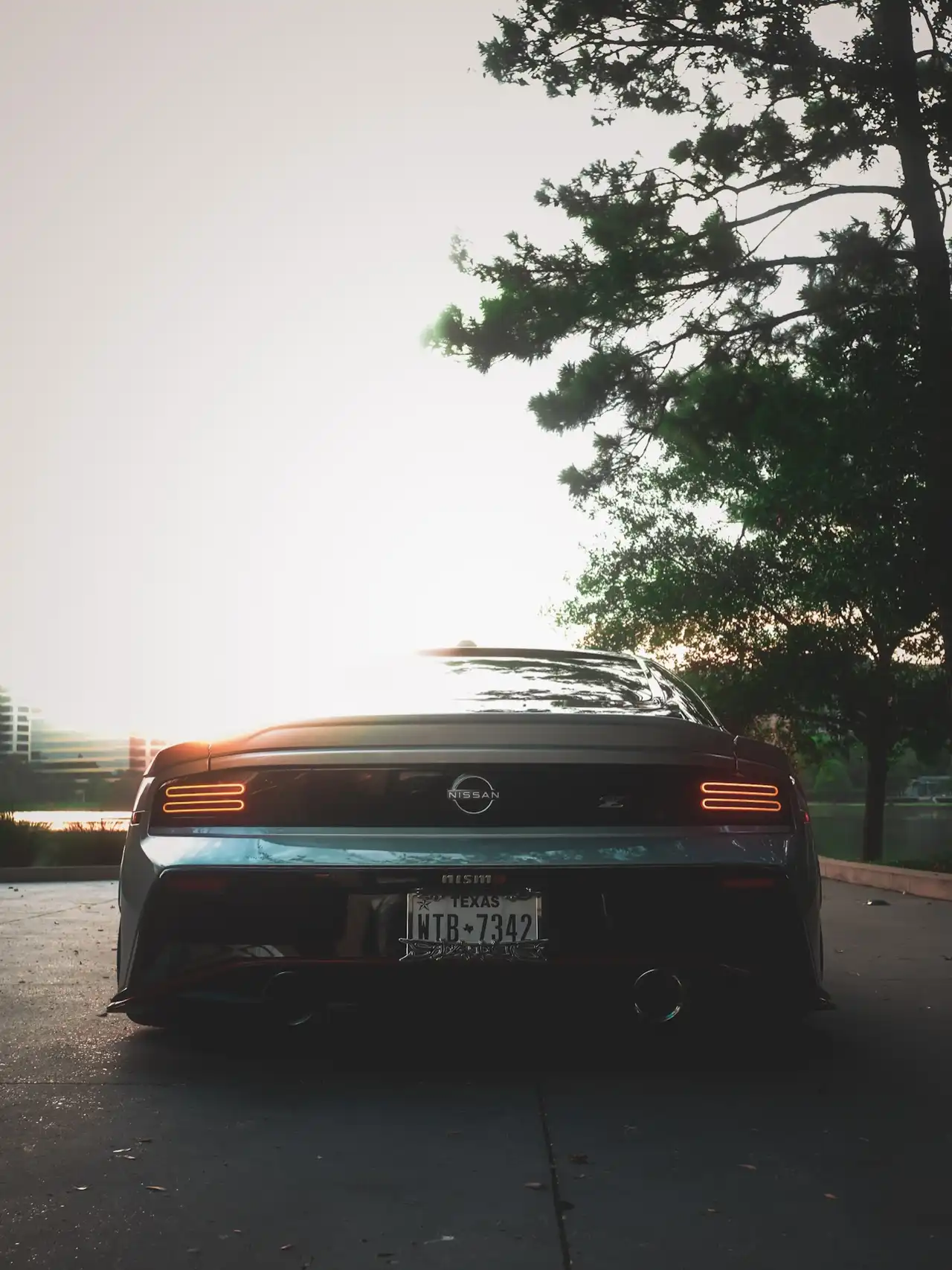
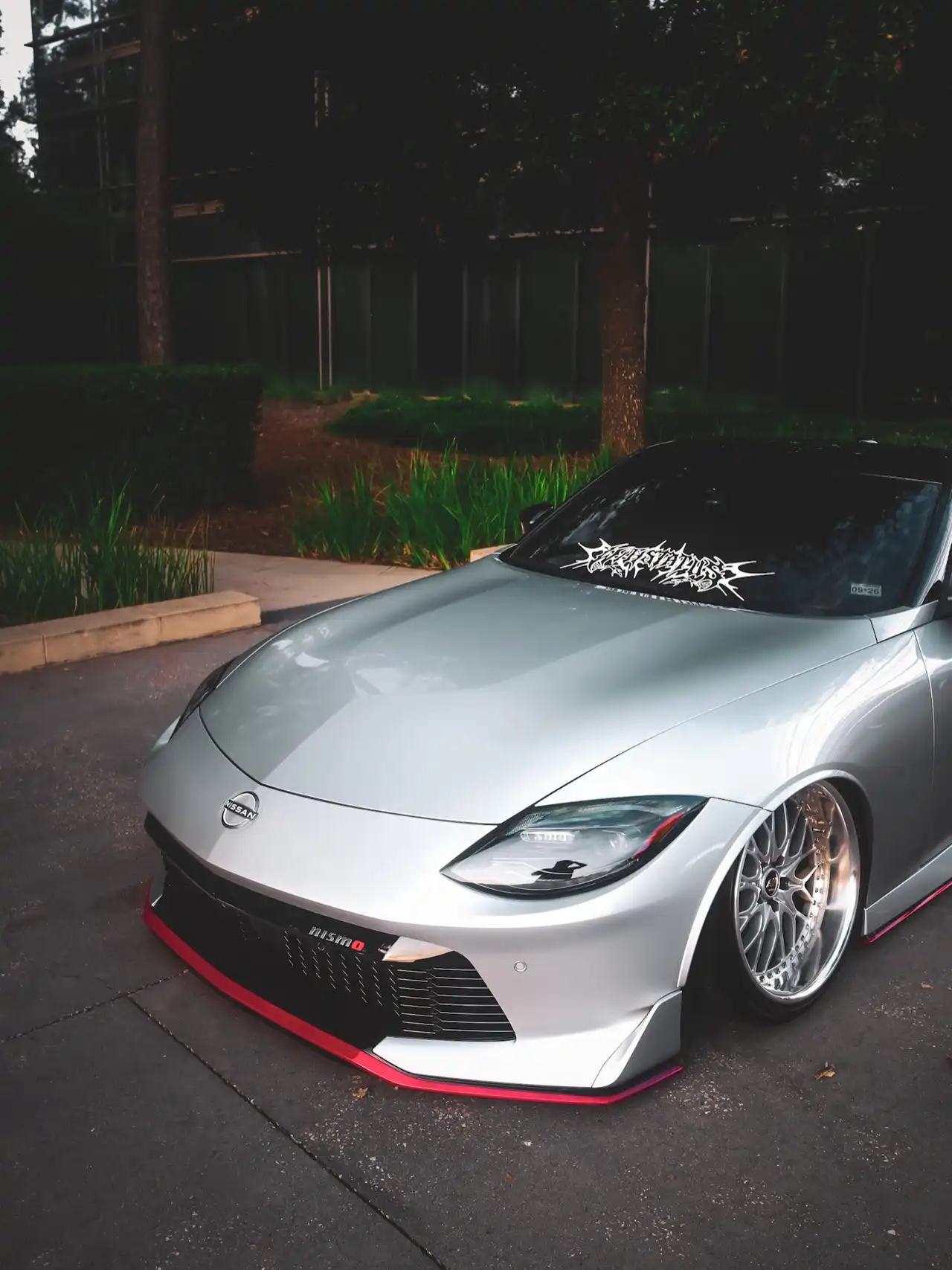
The Z inherited a massive following of tuners from the 350Z and 370Z days. That VR30DDTT engine responds well to relatively simple upgrades, and the RWD layout makes it easy to dial in more aggressive suspension setups for track days.
Scroll through Instagram and you’ll spot plenty of builds running wider wheels, custom exhausts, and aero kits — proof this car was built with modding in mind from day one.


FAQ
Is the Nissan Z electric or hybrid? No. It runs exclusively on a twin-turbo V6 gas engine.
What’s the difference between the Nissan Z and the 370Z? The Z gets a new, more powerful engine along with a reworked suspension and design, built on the same core platform.
Does the Nissan Z come with a manual transmission? Yes, a 6-speed manual is available alongside the 9-speed automatic.
How much horsepower does the Nissan Z have? 400 hp, from its 3.0L twin-turbo V6.
Is the Nissan Z practical for daily driving? It can be, but the tight trunk and firmer ride take some getting used to.
Is the Nissan Z faster than the Mustang GT? 0-60 times are close between the two, with the Z holding a slight edge in some configurations.
Is the Nissan Z worth modifying? Its engine responds well to tuning, which is exactly why it’s become such a popular platform among builders.

Danniel Bittencourt
Danniel Bittencourt é especialista e entusiasta do setor automotivo, com atuação focada em análise de veículos, lançamentos e tendências do mercado global. É fundador do site e responsável por diversos canais no YouTube voltados ao universo dos carros.